Why Window Technology Matters in Texas
Texas homes face long, hot summers with intense sunlight. In cities across the Dallas–Fort Worth area, homeowners often rely heavily on air conditioning to keep indoor temperatures comfortable.
Windows play a major role in how much heat enters your home. Older windows allow sunlight and heat to pass through easily, which can make rooms feel warmer and increase cooling costs.
Modern window technology has improved significantly in recent years. One of the most important advancements is Low-E glass, which is designed to reduce heat transfer while still allowing natural light into your home.
Understanding how Low-E windows work can help you decide whether they are a smart upgrade for your Texas home.
What Are Low-E Windows?
Low-E stands for low emissivity, which refers to a special microscopic coating applied to window glass.
This coating reflects heat while still allowing visible light to pass through. As a result, Low-E windows help keep indoor temperatures more stable.
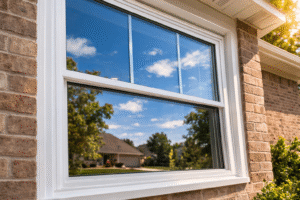
The coating is extremely thin and transparent, so it does not affect the appearance of the window.
How Low-E Glass Works
Low-E coatings are designed to control heat transfer in two important ways:
Reflecting Solar Heat
In hot climates like Texas, Low-E coatings reflect a portion of the sun’s heat away from the glass before it enters your home.
Improving Insulation
Low-E glass also helps prevent cooled air from escaping your home, which helps your air conditioning system maintain consistent indoor temperatures.
Together, these features help improve energy efficiency and comfort.
Why Low-E Windows Are Ideal for Texas Homes
Homes in the Dallas–Fort Worth region receive strong sun exposure throughout the year. This makes Low-E glass especially beneficial.
Reduced Heat Gain
Low-E windows help block solar heat, preventing rooms from becoming overly warm during the day.
Improved Energy Efficiency
By reducing heat transfer, Low-E windows can help your air conditioning system run more efficiently during Texas summers.
Increased Indoor Comfort
Homes with Low-E windows often experience more stable indoor temperatures, especially in rooms with large windows or direct sunlight.
Protection From UV Rays
Low-E coatings can also help reduce ultraviolet (UV) rays entering the home. This can help protect furniture, flooring, and fabrics from fading over time.
Types of Low-E Window Glass
There are several types of Low-E coatings designed for different climates.
Passive Low-E Glass
This type allows more solar heat to enter a home. It is typically used in colder climates where homeowners want to capture heat from the sun.
Solar Control Low-E Glass
Solar control Low-E glass is designed for warmer climates like Texas. It reflects more solar heat while still allowing natural light to enter the home.
Most windows installed in Texas use solar control Low-E coatings to reduce heat gain during hot summers.
How Low-E Windows Help Lower Energy Bills
Because Low-E windows reduce heat transfer, they can significantly improve a home’s overall energy efficiency.
Benefits often include:
- Lower cooling costs during summer
- Reduced strain on HVAC systems
- More consistent indoor temperatures
- Improved insulation throughout the home
While results vary depending on the home, many homeowners notice improved comfort soon after installing energy-efficient windows.
Pairing Low-E Glass With Modern Window Features
Low-E glass is often combined with other advanced window technologies.
Modern replacement windows may also include:
Double or Triple Pane Glass
Multiple panes of glass provide additional insulation.
Argon Gas Insulation
Argon gas is placed between glass panes to reduce heat transfer.
Energy Efficient Frames
Vinyl and fiberglass frames help prevent air leaks and improve durability.
When these features work together, windows can significantly improve a home’s overall energy performance.
Signs Your Home May Benefit From Low-E Windows
Many older homes in the Dallas area still have outdated window technology.
You may benefit from upgrading to Low-E windows if you notice:
- Rooms that feel hotter near windows
- Rising energy bills during summer
- Fading furniture or flooring
- Drafts around older window frames
Replacing older windows with energy-efficient options can help address these issues.
Choosing Energy Efficient Windows for Texas Homes
Because Texas weather places heavy demands on home cooling systems, selecting the right windows is important.
Windows designed for warm climates help reduce heat gain while maintaining natural daylight.
Working with professionals can help ensure you choose windows designed specifically for Texas conditions.
Improve Comfort With Energy Efficient Windows
Keep Texas Heat Outside
Low-E windows are designed to reduce heat transfer, improve indoor comfort, and help your home stay cooler during hot Texas summers.
Explore Window Replacement Options
The team at 1n20 Home Services helps homeowners throughout Dallas, Frisco, Plano, McKinney, and surrounding communities install energy-efficient windows designed for Texas weather.
If you’re considering upgrading your windows, exploring Low-E glass options can be a smart step toward improving your home’s comfort and efficiency.
Upgrade to Energy Efficient Windows
Modern Low-E windows can help keep your home cooler, improve comfort, and reduce energy costs during Texas summers.
Schedule Your Window Consultation
If you’re exploring window replacement options, the team at 1n20 Home Services can help you find energy-efficient windows designed for Dallas-area homes.