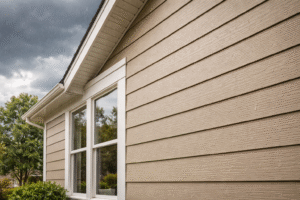
Siding is your home’s first line of defense against the elements—but in Dallas–Fort Worth, extreme heat, humidity, and sudden storms can take a real toll over time.
The problem? Many signs of siding damage start small and are easy to overlook. By the time issues are obvious, moisture or heat may already be affecting the structure underneath. Here’s how to recognize the early warning signs before they turn into costly repairs.
Why DFW Homes Are Prone to Siding Damage
North Texas weather creates a tough environment for exterior materials. Siding here must withstand:
- Prolonged summer heat and intense sun
- High humidity and wind-driven rain
- Sudden temperature changes
- Expansive soils that can cause shifting
Over time, these conditions can cause siding to warp, crack, trap moisture, or lose its protective seal.
Common Signs of Heat Damage in Siding
Warping or Buckling Panels
Excessive heat can cause siding to expand beyond its limits. If panels appear wavy, bowed, or pulled away from the wall, heat damage may be the cause—especially on sun-facing sides of the home.
Fading or Chalky Appearance
UV exposure can break down siding materials, leading to faded color or a chalky residue. This often means the protective surface is wearing away, leaving siding more vulnerable to moisture.
Cracks or Brittle Sections
Siding that becomes brittle from long-term heat exposure may crack more easily, allowing water to penetrate behind the panels.
Signs of Moisture Damage to Watch For
Soft or Spongy Areas
If siding feels soft when pressed, moisture may already be trapped underneath. This is a serious warning sign that should be addressed quickly.
Bubbling or Peeling Paint
Paint or coating that bubbles or peels often indicates moisture intrusion beneath the surface.
Mold, Mildew, or Dark Streaks
Dark stains, green growth, or mildew on siding can point to ongoing moisture problems—especially around seams, windows, or near the ground.
Less Obvious Clues Homeowners Miss
Higher Indoor Humidity
Damaged siding can allow moisture to seep into wall cavities, affecting indoor comfort and air quality.
Rising Energy Bills
Heat-damaged or moisture-compromised siding may reduce insulation performance, forcing your HVAC system to work harder during DFW summers.
Interior Wall Issues
Peeling paint, musty smells, or discoloration inside the home can sometimes trace back to exterior siding failure.
Repair vs. Replacement: What Makes Sense?
Minor damage affecting a small area may be repairable. However, replacement is often the smarter choice if:
- Damage appears in multiple areas
- Moisture has reached underlying materials
- Siding is near the end of its lifespan
- Warping or cracking keeps returning
Modern siding options are far more resistant to heat, moisture, and UV exposure than older materials.
Why Proper Installation Matters in DFW
Even the best siding can fail early if it isn’t installed correctly. Proper spacing, moisture barriers, and flashing are essential to handle North Texas heat and humidity.
Professional installation helps ensure your siding:
Protects your home long-term
Expands and contracts safely
Sheds water properly
Worried Your Siding Might Be Failing?
If you’re noticing signs of heat or moisture damage, 1n20 Home Services can take a closer look and explain your siding options clearly. We’ll help you protect your home with solutions that make sense for DFW—no pressure, just honest guidance from a local team.