Common FAQs: Why Does My Siding Look Melted or Warped?
Warped or melted siding can be surprising—and frustrating—especially when it seems to happen suddenly. For homeowners across North Texas, this issue is more common than you might think.
Extreme heat, reflected sunlight, and installation issues all play a role. Below are the most frequently asked questions we hear from homeowners in the Dallas–Fort Worth Metroplex, along with clear, straightforward answers.
Can Siding Actually Melt?
Yes, certain types of siding can soften or warp under intense heat.
Vinyl siding, in particular, is designed to withstand normal outdoor temperatures—but concentrated heat can push it past its limits. When that happens, the siding may ripple, bow outward, or appear melted.
Once vinyl siding changes shape, it cannot be restored to its original form.
What Causes Siding to Warp or Melt?
Reflected Sunlight From Windows
This is one of the most common causes in newer neighborhoods.
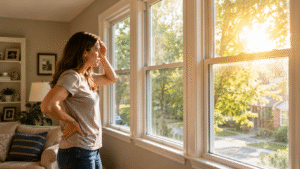
Low-E windows can reflect sunlight instead of absorbing it. When that concentrated reflection hits siding for several hours a day, surface temperatures can rise high enough to cause warping—especially on south- or west-facing walls.
Extreme Texas Heat
North Texas summers are tough on exterior materials. Long periods of triple-digit temperatures can stress siding, particularly:
- Darker colors that absorb more heat
- Older vinyl siding
- Siding installed without proper expansion gaps
Over time, repeated heat exposure can cause visible distortion.
Improper Siding Installation
Siding must be installed with room to expand and contract.
Problems occur when:
- Panels are nailed too tightly
- Expansion gaps are ignored
- Walls underneath are uneven
As temperatures rise, siding with no room to move has only one option—it warps.
Heat From Grills or Fire Features
Grills placed too close to the house are a common but overlooked cause of localized siding damage. Direct heat can quickly soften vinyl panels, leaving permanent deformation.
Is Warped Siding a Structural Problem?
In many cases, warped siding starts as a cosmetic issue—but it shouldn’t be ignored.
Damaged siding can:
- Allow moisture behind panels
- Reduce insulation performance
- Lead to hidden rot or mold over time
Catching the issue early can help prevent more costly repairs later.
Can Warped or Melted Siding Be Repaired?
That depends on the extent of the damage and the cause.
- Minor damage: Individual panels may be replaced
- Widespread warping: Full siding replacement is often more practical
- Installation-related issues: The underlying problem must be corrected to prevent repeat damage
Replacing panels without addressing the root cause usually leads to the same issue coming back.
How to Prevent Siding Warping in the Future
Homeowners can reduce the risk by:
- Choosing siding materials designed for high heat
- Ensuring proper installation techniques
- Adding window screens or shading where reflections are strong
- Keeping grills and heat sources away from siding
Material choice matters—but professional installation matters just as much.
Concerned About Warped or Melted Siding?
Warped siding is more than a cosmetic issue—it can lead to moisture problems and long-term damage if left unchecked. 1n20 Home Services can inspect your siding, explain what caused the issue, and help you choose a durable solution built for Texas heat. Clear answers. No pressure.